What 24 Hours Taught Me About Home, Loss, and Being Prepared
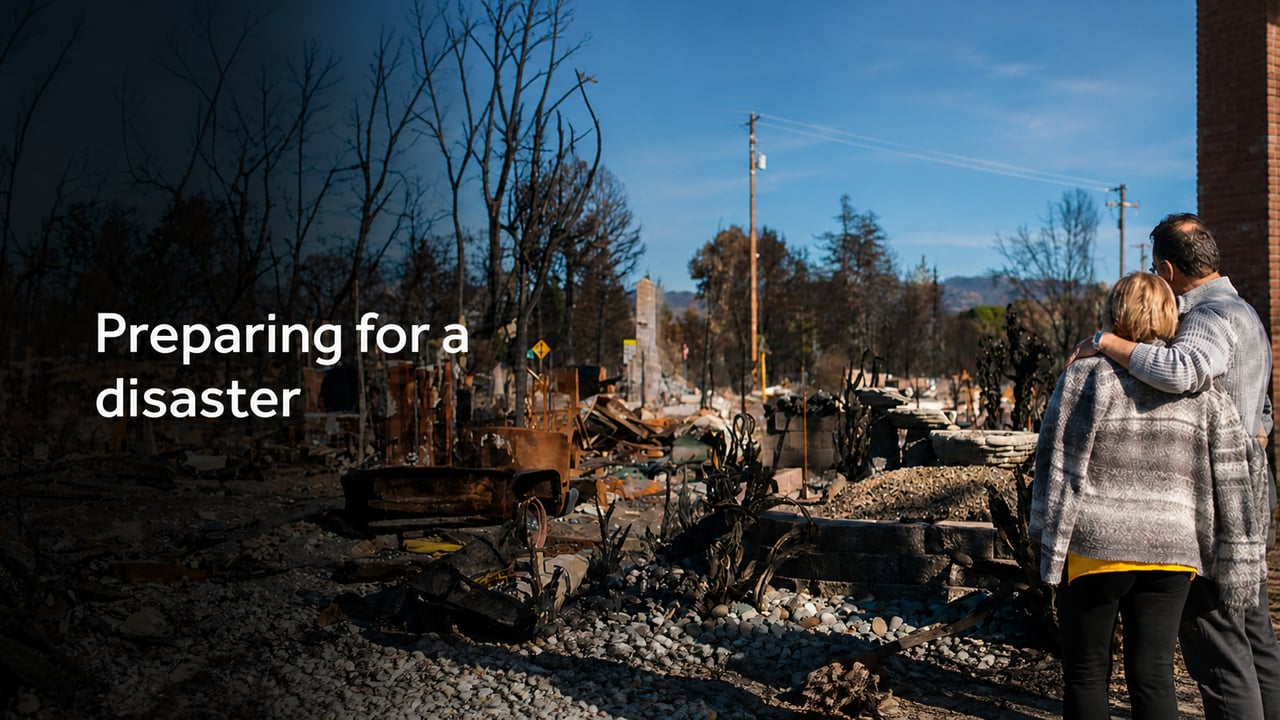
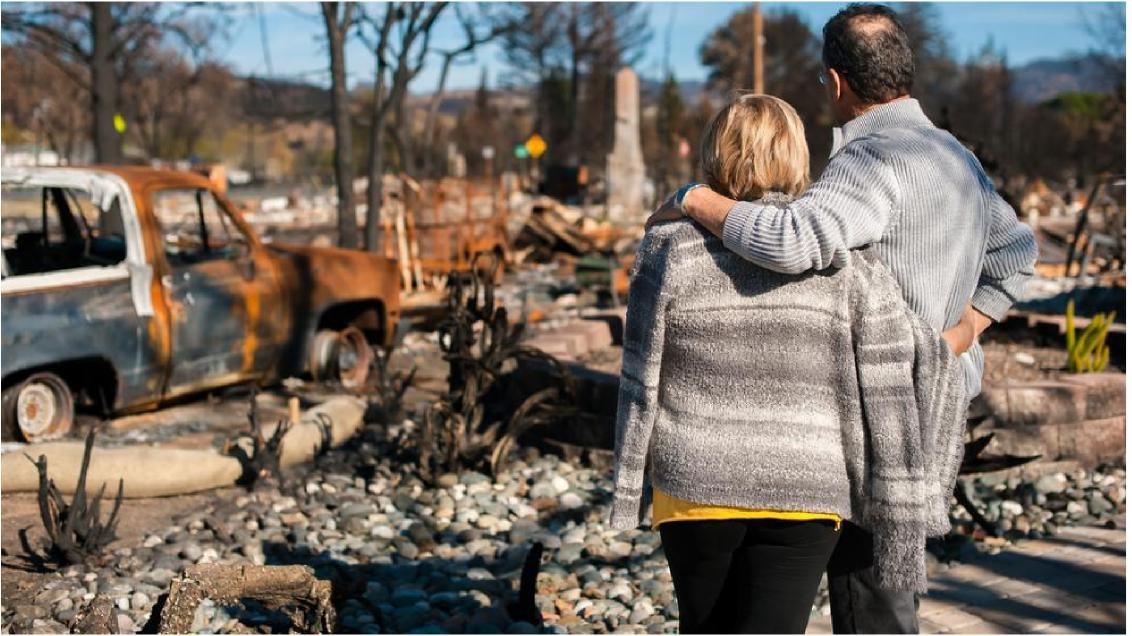
Last week, tragedy struck directly behind our complex. A devastating fire swept through a neighbor’s condo building—a structure that housed over 150 people. Over the course of 24 agonizing hours, I watched as firefighters fought the blazes, families stood in disbelief on the sidewalk, and lives were fundamentally upended in a matter of minutes.
As a real estate professional, my work revolves around helping people find safety, shelter, and security in their homes. But sitting witness to that fire was a sobering reality check: a home isn't just bricks and mortar, and peace of mind requires planning long before a crisis hits.
Many of those impacted had no time to gather their belongings, no backup copies of their critical documents, no record of what they owned for insurance, and no plan for where to spend the next week—let alone the next year.
To help ensure you and your family are never caught off guard, here is a complete guide to protecting your documents, safeguarding sentimental heirlooms, proving your home inventory for insurance, and building an actionable evacuation plan.
1. Protecting Critical Documents: Go Digital & Go Fireproof
In a sudden evacuation, you will not have time to flip through file cabinets for tax returns or birth certificates. Organize your vital paperwork using a three-tier system:
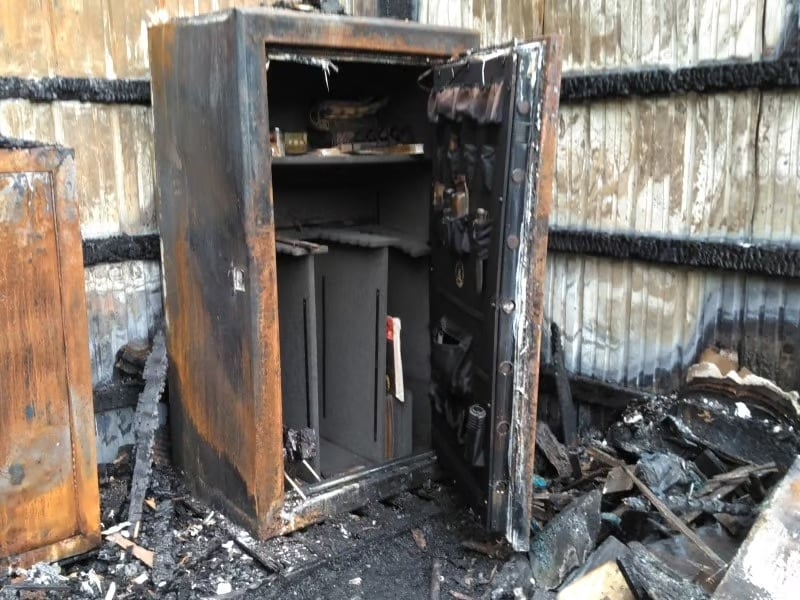
The Fireproof & Waterproof Safe: Keep physical originals (birth/marriage certificates, physical property deeds, passports, social security cards, and original estate documents) in a portable, fire-resistant, and water-resistant safe rated for at least 1–2 hours of intense heat. Store it near an exit path, not buried in the back of a closet.
The Digital Vault: Scan every essential document into an encrypted, password-protected cloud storage service (e.g., Dropbox, Google Drive, or OneDrive with two-factor authentication enabled). Keep digital copies of:
Driver’s licenses and passports
Homeowner or renter insurance policy pages (specifically the declarations page showing policy numbers and claim phone numbers)
Medical history, prescriptions, and health insurance cards
Vehicle titles and registration
The Emergency Flash Drive: Keep an encrypted USB drive inside your emergency grab bag loaded with backups of your documents, password list, and essential family records.
2. Managing Irreplaceable Keepsakes: The "Go-Box" Strategy
You cannot recreate family photo albums, heirlooms, or child keepsakes once they are gone. Protect what matters most with smart placement and digitization:
Create a Designated "Go-Box": Select one light, durable tote or duffel bag for sentimentals. Prioritize high-value items: family photo drives, irreplaceable small heirlooms, or unique family records. If an evacuation warning is issued, this container is loaded into your vehicle first.
Digitize Physical Memories: Spend an afternoon converting physical photo albums, family video tapes, and children's artwork into digital files. Store these on your cloud vault so that even if the physical copies are lost, the memories survive.
Strategic Placement: Never store your most cherished keepsakes in basements prone to flooding or far-corner attics that are hard to reach in a hurry. Store priority items on ground-floor closets near main entryways.
3. Insurance & Home Inventory: Prove What You Owned Before You Lose It
Whether you own your home or rent, insurance companies don't simply pay out your policy's maximum limit based on a list typed from memory. In the chaos following a fire, trying to remember every piece of clothing, furniture, electronics, and kitchen appliance you owned—let alone proving you had them—is nearly impossible.
Perform a 15-Minute Video Walkthrough: Every 6 to 12 months, take your smartphone and record a continuous video walking through every room of your home. Open closet doors, pull open kitchen drawers, open medicine cabinets, and pan slowly. Narrate what you are showing (e.g., "Here is the primary bedroom closet with high-end winter coats, designer shoes, and custom suit jackets"). Upload the video immediately to your cloud storage vault.
Log Serial Numbers & High-Value Items: Standard contents coverage handles general items, but items like jewelry, high-end electronics, power tools, bicycles, and fine art often require specific documentation (or separate policy riders). Take photos of serial number plates on electronics and tools. Search your email for digital receipts for major purchases and store them in a dedicated folder.
Understand Coverage Nuances (Renters vs. Homeowners):
If You Rent: Many renters wrongly assume their landlord’s insurance covers personal belongings in a fire. It does not. A landlord’s policy covers the structure only. Renters insurance is essential for replacing furniture, clothes, electronics, and covering temporary housing.
If You Own: Review your policy to confirm whether your personal property is insured for Replacement Cost Value (RCV) or Actual Cash Value (ACV). RCV pays what it costs to buy a new item today, whereas ACV subtracts depreciation—which makes thorough proof of ownership even more critical to maximize your payout.
4. Evacuation & Relocation Planning: Making Decisions in Advance
During an active disaster, adrenaline makes clear thinking difficult. Having a pre-scripted plan eliminates panic.
The Immediate Evacuation Drill
Identify Primary & Secondary Routes: Know at least two vehicle exits out of your neighborhood and two physical exit pathways out of your home or building unit.
Establish Meeting Points: Set up two meeting locations:
A spot right outside your home (e.g., a specific street lamp or neighbor’s driveway) for immediate building evacuations.
A location out of the immediate neighborhood (e.g., a local library or family friend’s home) if the entire area is closed off.
Prepare the 72-Hour Grab Bag: Keep one backpack per family member packed with 3 days of medications, basic toiletries, phone chargers, portable power banks, water, non-perishable snacks, and pet supplies.
Short-Term & Long-Term Relocation
Pre-Designate Emergency Housing: Have 2–3 specific places in mind where you can stay for the first 48 to 72 hours—whether it’s a relative's house, a pet-friendly hotel chain, or a trusted friend outside your immediate neighborhood.
Confirm Loss of Use Coverage: Check your homeowner or renter insurance policy today to confirm you have Loss of Use or Additional Living Expenses (ALE) coverage. This pays for hotel stays, temporary apartment rentals, and food costs while your home is uninhabitable.
Establish a Communication Contact: Nominate one out-of-town relative or friend as the central check-in point. Local phone lines often get jammed during emergencies, but long-distance calls or text messages usually go through.
Final Thoughts: Take One Step This Week
Preparing for a home disaster isn't about living in fear—it’s about giving yourself and your loved ones control, security, and a clear path forward if the unthinkable happens.
If you haven't taken a walk-through video of your home, reviewed your insurance policies, or updated your emergency document backups recently, make it a priority this weekend. If you ever need recommendations for local home safety resources, insurance contacts, or emergency planning tools, please don't hesitate to reach out to me anytime. Stay safe!