
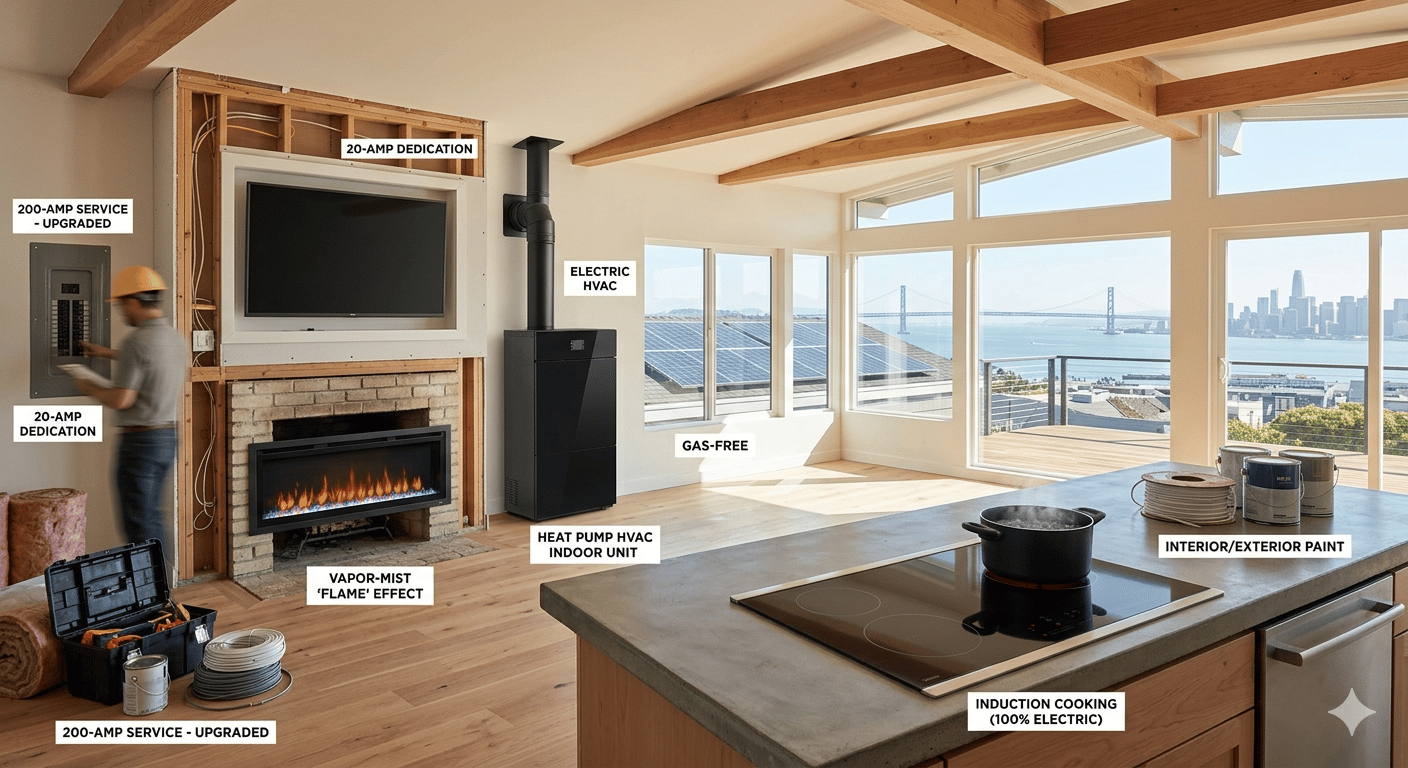
For nearly a century, the “blue flame” was the gold standard of the California home. Gas was marketed as the cleaner, faster, and more professional way to heat our water, cook our food, and warm our bones. But as we move through 2026, the tide has officially turned. What was once seen as a niche environmental movement has become the new benchmark for luxury, health, and property value across the San Francisco Bay Area.
In a region where mid-century gems are frequently being reimagined, electrification is the most significant upgrade a homeowner can undertake. If you are standing in a house with “great bones” but “deferred maintenance,” you aren’t just looking at a repair list. You are looking at a blank slate to build a future-proof masterpiece.
Part I: The Philosophy of the Modern Bay Area Home
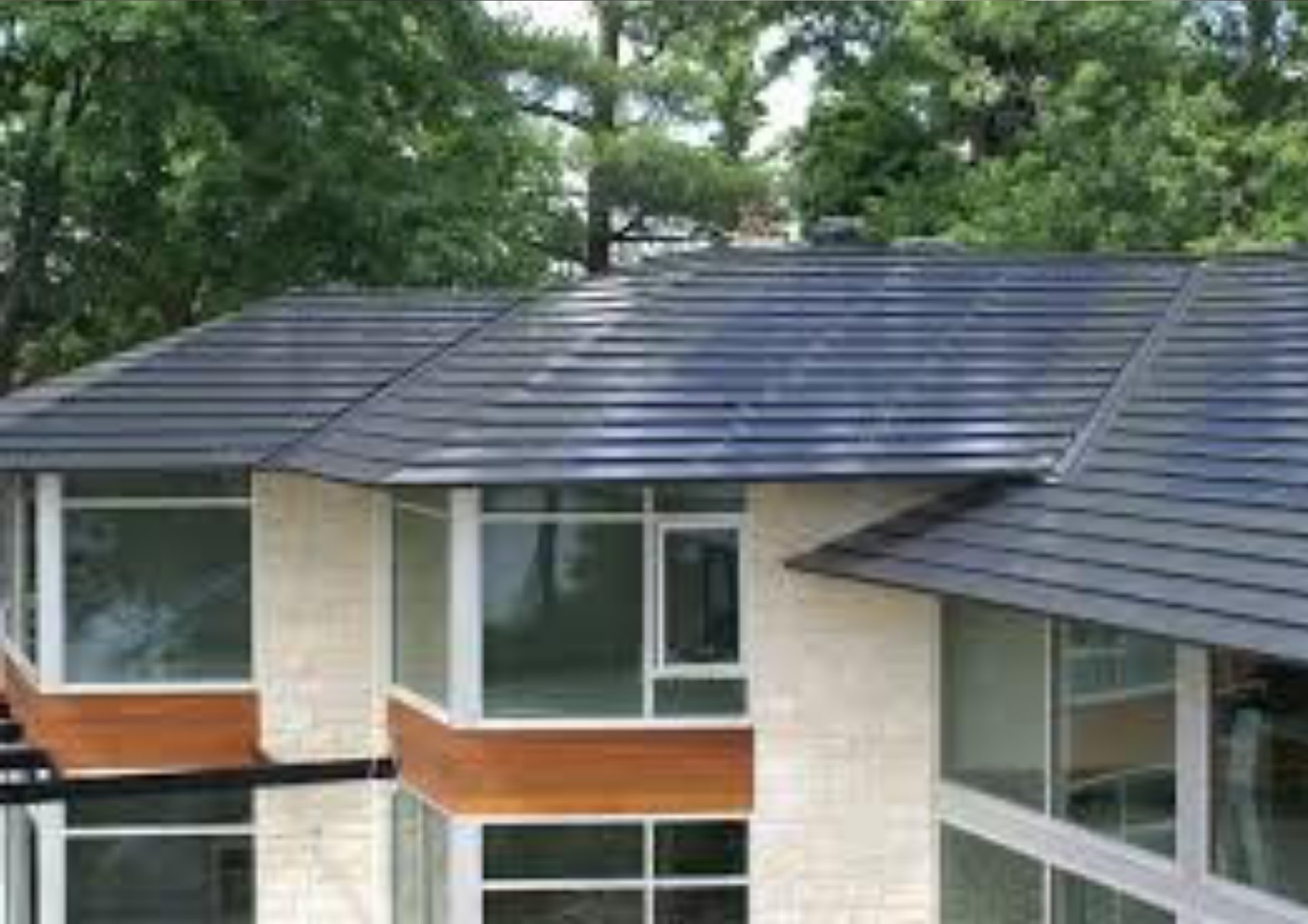
New generation of solar use – solar roof tiles mimic roof tiles
To understand why we are eliminating gas, we must first understand what a home is expected to be in 2026. A home is no longer just a shelter; it is an ecosystem.
Historically, we accepted “combustion” as a necessary evil. We burned methane inside our houses to stay warm, unknowingly venting carbon monoxide, nitrogen dioxide, and formaldehyde into our living spaces.
Whole-home electrification is the process of replacing every gas-burning appliance with a high-efficiency electric alternative. This isn’t just about “swapping machines.” It is about moving from a linear, fossil-fuel-dependent system to a circular, potentially self-sustaining one. When coupled with solar and battery storage, an all-electric home becomes its own utility provider—a critical advantage in a region where energy resilience is increasingly top-of-mind.
The Health Imperative
The most compelling reason to eliminate gas isn’t found in a checkbook—it’s found in the lungs. Recent longitudinal studies have clarified the link between gas cooking and pediatric asthma.
Burning gas indoors creates levels of nitrogen dioxide (NO₂) that would be illegal if measured outdoors by the EPA. By removing the gas line, you are effectively performing a “pulmonary bypass” for your property, ensuring that the air your family breathes is as clean as the air on a coastal trail.
Part II: The Technology of 2026
The reason electrification is winning in 2026 is that the technology finally caught up to—and then surpassed—the performance of gas.
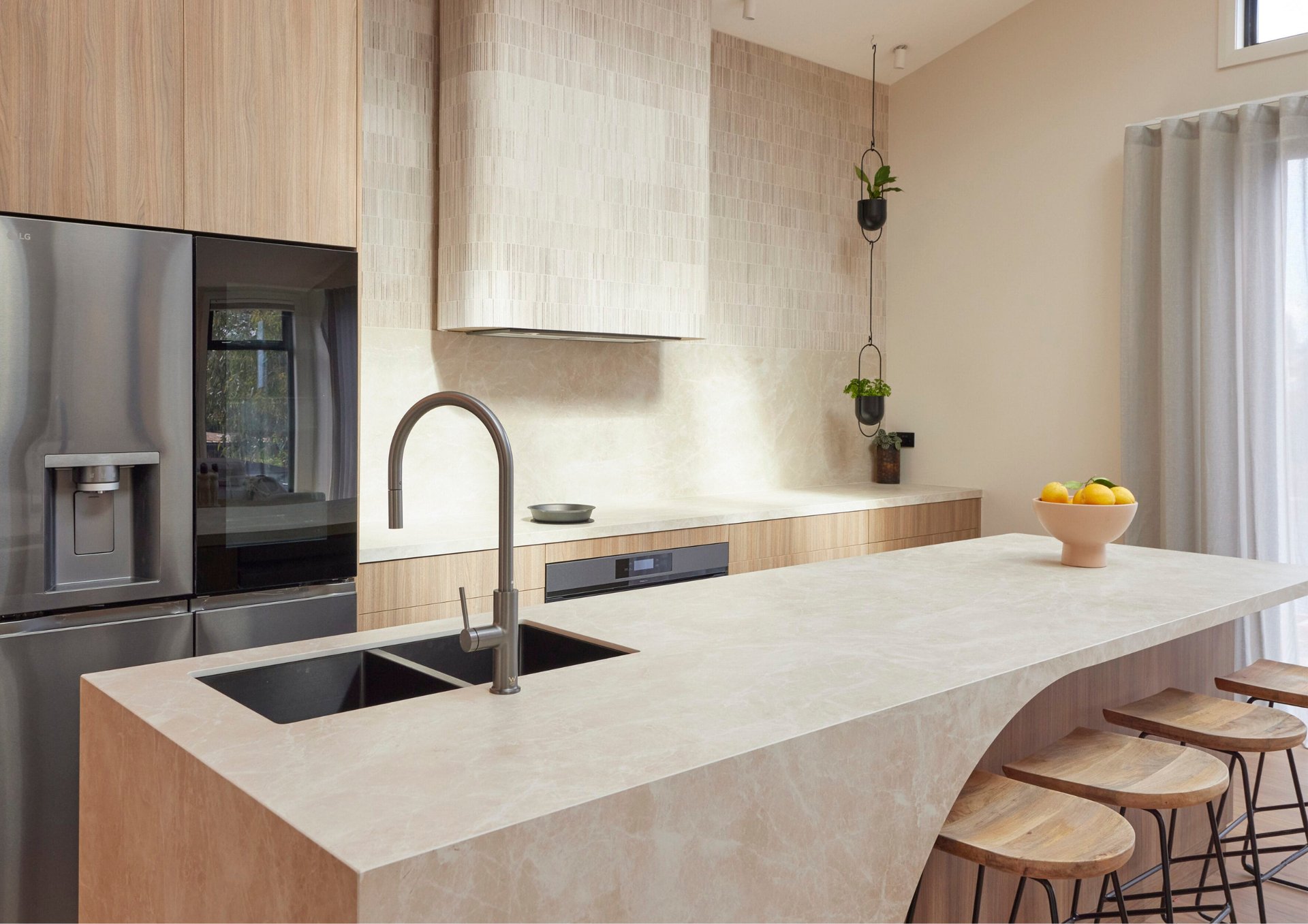
induction stove, top embedded under the stone countertop
1. Induction Cooking: The Professional’s Choice
If you are remodeling a kitchen, the induction cooktop is your centerpiece. Unlike traditional electric coils that get hot and stay hot, induction uses copper coils under a glass surface to create an electromagnetic field. This field excites the molecules in your magnetic cookware, turning the pan itself into the heating element.
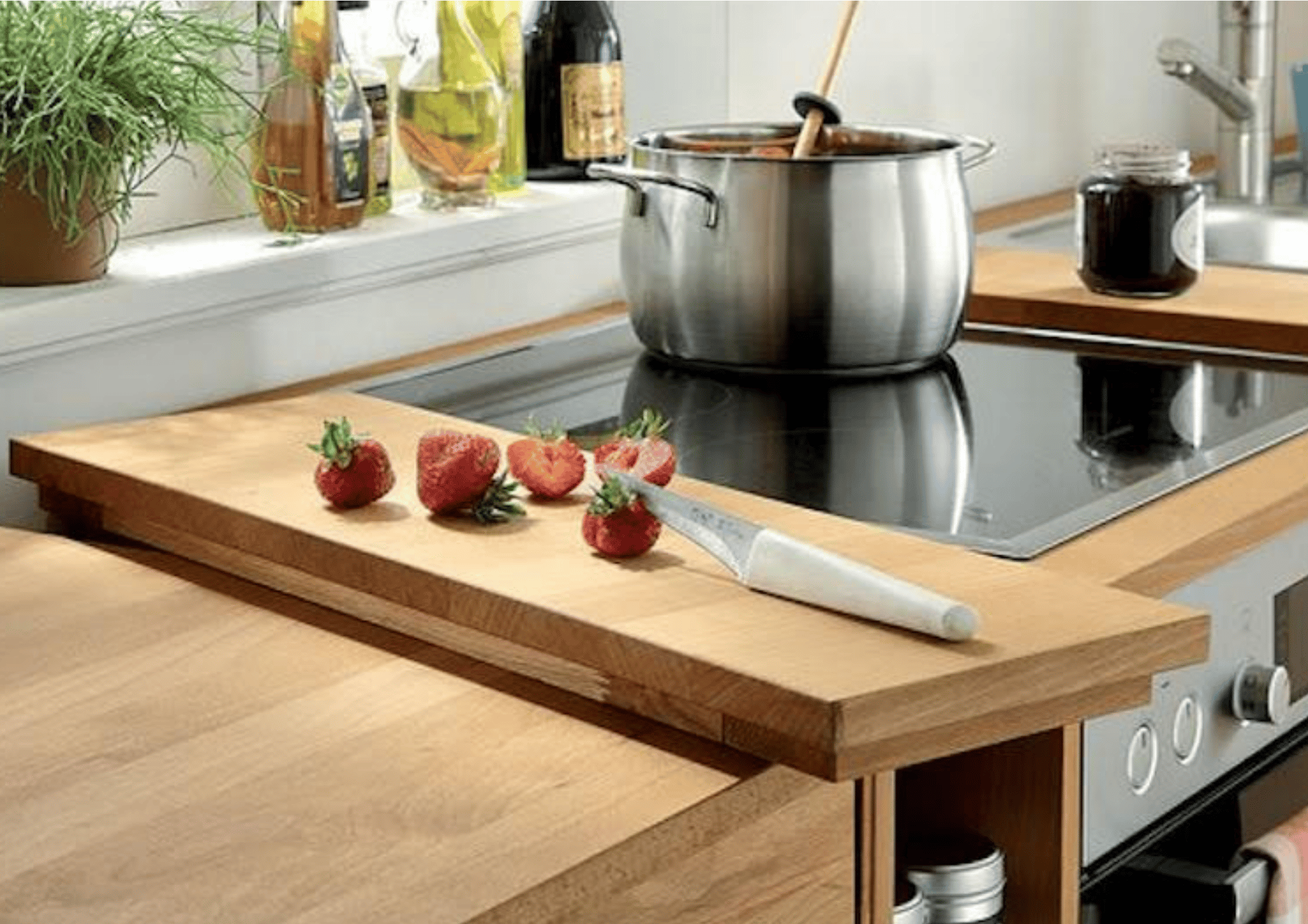
inset induction cooktop hides under removable wood countertop
• Speed: Induction can boil a pot of water in less than half the time of a high-end gas pro-range.
• Precision: You can melt chocolate directly on the “burner” without a double boiler because the temperature control is digital and instantaneous.
• Safety: The glass surface stays relatively cool. If a child touches the cooktop while it’s “on,” they won’t get burned unless they touch the hot pan itself.
• Cleaning: Because the surface doesn’t get hot enough to bake on spilled food, a simple wipe-down is all it ever needs.
2. Heat Pump HVAC: The Thermodynamic Miracle
In a “fixer-upper,” the furnace is often a frightening, rusted beast in the crawlspace. Replacing it with a modern heat pump is the smartest move a renovator can make.
A heat pump doesn’t create heat; it moves it. Even in 40°F weather, there is heat energy in the air. The heat pump extracts that energy and concentrates it indoors. In the summer, it reverses the process, acting as a high-efficiency air conditioner—a feature that has moved from a “luxury” to a “necessity” across the Bay Area.
In 2026, “Cold Climate” heat pumps are the standard. They operate efficiently down to sub-zero temperatures, meaning they are more than capable of handling a chilly morning in any corner of the region. They provide a “gentle” heat—a constant, filtered stream of air that eliminates the “hot and cold spots” common with old gas furnaces.
3. Heat Pump Water Heaters (HPWH)
The gas water heater is often the most overlooked appliance, but it is a massive carbon contributor.
The electric heat pump version is 300% to 400% efficient. It pulls heat from the surrounding air and dumps it into the water tank. During a remodel, moving the water heater or upgrading to a “Smart” HPWH allows you to time your water heating for when electricity is cheapest—or when your solar panels are producing the most power.
Part III: The Financial Blueprint
Let’s talk numbers. Remodeling a house with “deferred maintenance” is expensive. However, as of March 2026, the landscape of incentives has shifted significantly, making the “buy-in” more manageable for those who act decisively.
The Inflation Reduction Act (IRA) and HEEHRA
We are currently in the peak years of the IRA’s rollout. However, demand has been staggering.
• HEEHRA Status: As of late February 2026, single-family HEEHRA rebates (up to $8,000 for heat pumps) have seen such high volume that many California regions are moving to waitlist-only status. If you are starting a remodel now, it is vital to work with a TECH-certified contractor who can navigate these reservations immediately.
• Tax Credits (The 25C Credit): This remains the most reliable tool. You can claim a 30% tax credit, up to $2,000 every year, for installing a heat pump. By staggering your remodel—doing the HVAC this year and the water heater next—you can effectively double-dip into these credits over two tax years.
Local Bay Area Incentives
Living in the Bay Area means you likely have access to BayREN and TECH Clean California bonuses. As of 2026, there are specific Equity Adders for income-qualified households that can provide thousands of dollars in additional funding for heat pump HVAC and water heaters.
The “Hidden” Savings: The Gas Meter Fee
Every month, even if you don’t use a single therm of gas, you pay a “meter charge” or “service fee” to the utility.
In 2026, these fixed costs are rising to cover the maintenance of aging gas infrastructure. When you go all-electric and officially “cap the lead,” that expense vanishes. Over 30 years, that is $10,000 to $15,000 saved just by disconnecting the pipe.
Part IV: The “Hearth” of the Matter—The Fireplace Evolution
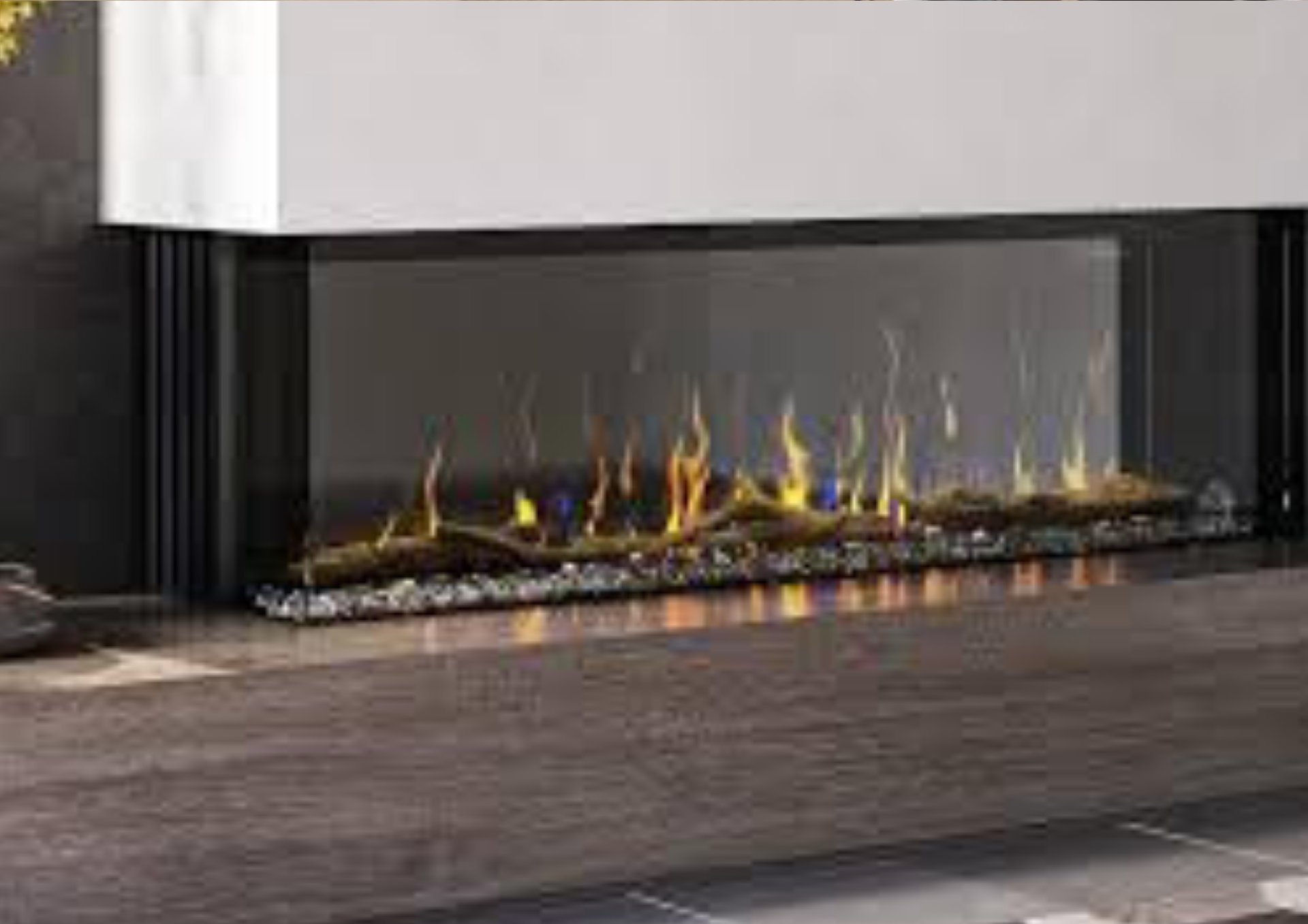
If you are remodeling a mid-century ranch or a classic Bay Area bungalow, you likely have a traditional masonry fireplace.
While wood fires are nostalgic, they are increasingly impractical in our region. Between strict air quality regulations and the “mess factor” of ash and soot, many homeowners find their fireplaces sit unused for years.
The Problem with Wood and Gas
Traditional open-hearth fireplaces act like a giant straw, sucking the heated air you just paid for and venting it straight out the roof.
Even gas inserts, while convenient, still require venting and contribute to the indoor combustion issues we are trying to solve.
The 2026 Solution: The Sleek Electric Insert
In 2026, electric fireplaces have moved far beyond the “fake log” looks of the past. Modern units are architectural statements.
• Zero-Clearance Linear Designs: Ultra-slim units recessed into a wall for a flush, gallery-like look.
• Water Vapor Technology: Ultrasonic systems create realistic flames using cold water mist and LED lights.
• Year-Round Ambiance: Flames can run without heat for summer use.
• Zone Heating: 5,000–10,000 BTU heaters warm the main living space efficiently.
The Remodel Strategy: “The Media Wall”
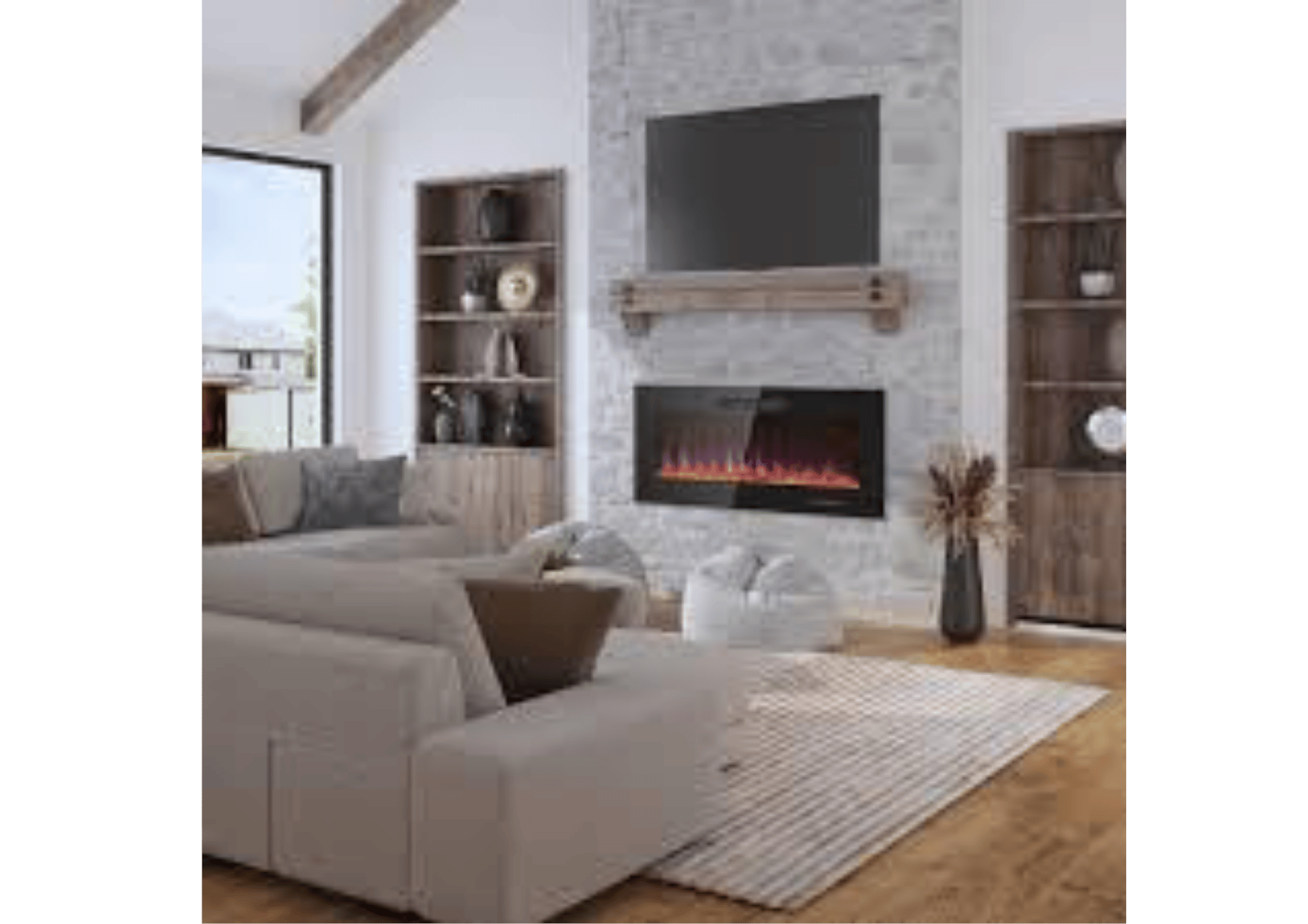
The biggest trend in 2026 Bay Area renovations is the Integrated Media Wall.
Because electric fireplaces don’t produce extreme heat or smoke, you can safely mount a high-end television directly above the fireplace without a bulky mantel or special heat shielding. The result is a clean, minimalist focal point that defines the modern living room.
Addressing the Myths
Myth: “An electric fireplace will look cheap.”
Reality: High-end electric inserts now appear in luxury developments across the Bay Area.
Myth: “What about Spare the Air days?”
Reality: Electric fireplaces are 100% exempt from Bay Area No-Burn alerts.
Part V: The Renovation Roadmap
If you are looking at a property that needs paint, floors, and bathrooms, here is how electrification fits into the workflow.
Step 1: The 200-Amp Panel Upgrade
This is the foundation. An all-electric home—especially with an EV charger and electric fireplace—needs a 200-amp panel.
Step 2: The Fireplace Conversion
If you have an existing chimney, you don’t need to tear it down.
• The Insert Method: Slide an electric insert into the existing firebox.
• The Build-Out: Frame a shallow wall in front of the old masonry for a modern linear fireplace.
• The Wiring: Install a dedicated 20-amp circuit.
Step 3: “While the Walls Are Open” Strategy
If you are remodeling a kitchen or bathroom, run wiring now.
Even if you don’t install the induction range immediately, installing the 240V outlet during construction future-proofs the house and boosts resale value.
Step 4: Insulation and Air Sealing
A heat pump works best in a tight home envelope.
Attic air sealing and insulation improvements allow for a smaller, more efficient HVAC system.
Part VI: The Impact on Real Estate Value
Marketing a home as “Gas-Free” and “Spare-the-Air Compliant” is becoming a major selling point.
Replacing an old wood-burning fireplace with a sleek electric version removes a maintenance burden while adding a design-forward feature that appeals to modern buyers.
Conclusion: The Path Forward
Remodeling to eliminate gas is about creating a safer, more comfortable, and more valuable home.
From the induction range in the kitchen to the vapor-mist fireplace in the living room, every electrification upgrade moves your home toward a modern Bay Area lifestyle.
Summary Checklist for Your Electrification Remodel
-
Audit the panel — aim for 200-amp service.
-
Fireplace flip — replace the wood-burner with a sleek electric unit.
-
Seal the envelope — prioritize attic insulation and high-performance windows.
-
Kill the pilot lights — replace the furnace, water heater, and gas range.
-
Claim your cash — maximize 25C tax credits and 2026 rebates.
Your home is the engine of your life. Make sure it’s running on the cleanest, smartest fuel possible.