The Art of the Mend: A Day of Kintsugi and Culinary Mastery in the Bay Area
In a world that often prizes the pristine and the brand new, there is a quiet, radical beauty in the broken. On May 31, 2026, a unique cultural event is coming to the Bay Area that invites participants to slow down, lean into imperfection, and celebrate the history of Japanese craftsmanship. This immersive experience combines a traditional Kintsugi workshop with a gourmet Bento lunch prepared by a world-class chef, offering a rare window into the soul of Japanese philosophy.
 The History of Kintsugi: Beauty in the Break
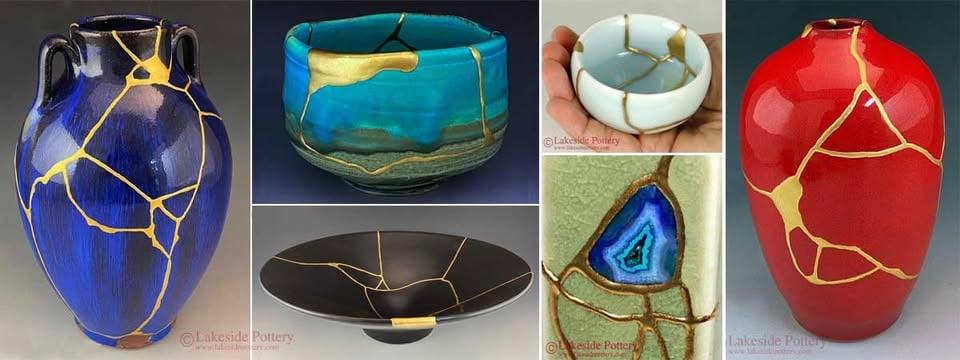
The story of Kintsugi (meaning "golden joinery") begins in late 15th-century Japan. Legend has it that the Shogun Ashikaga Yoshimasa sent a broken Chinese tea bowl back to China for repairs. When it returned, it had been held together with unsightly metal staples. Displeased, the Shogun tasked Japanese craftsmen with finding a more aesthetic solution.
The result was a technique that didn't try to hide the cracks, but rather illuminated them. By using a special lacquer (urushi) mixed with powdered gold, silver, or platinum, the craftsmen transformed the broken vessel into something more valuable and beautiful than the original.
Kintsugi is the physical manifestation of Wabi-sabi, the Japanese aesthetic that finds beauty in the imperfect, the impermanent, and the incomplete. For the modern teenager or young adult, this philosophy is a powerful antidote to "perfection culture." It teaches that our "cracks"—our mistakes, hardships, and scars—don't diminish our value; they are part of our history and contribute to a unique, resilient beauty.
The Architecture of the Bento: A Symphony in a Box
Following the meditative focus of the workshop, guests transition to the culinary portion of the day: the Bento lunch. While many Americans know the "Bento box" as a convenient lunch special, its history is a 1,000-year-old evolution of Japanese culture.
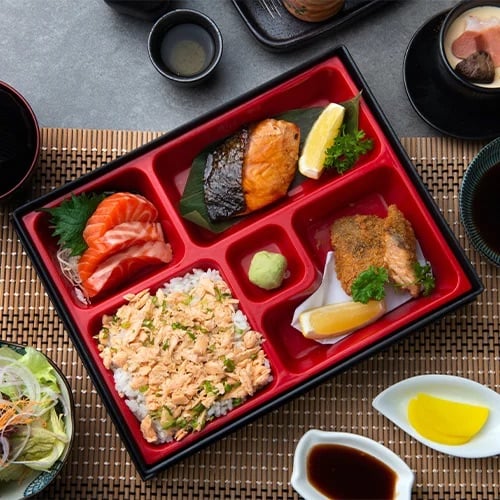
The word Bento originates from the Song Dynasty term biàndāng, meaning "convenient." It began as simple dried meal kits for travelers and evolved into a highly ritualized art form during the Edo period. A true Bento is a masterpiece of balance—not just in nutrition, but in color, texture, and preparation method.
A traditional Bento often follows the rule of five:
-
Five Colors: Red, yellow, green, black, and white.
-
Five Tastes: Sweet, sour, salty, bitter, and umami.
-
Five Techniques: Raw, grilled, steamed, boiled, and fried.
This structured variety ensures that the meal is as much a feast for the eyes as it is for the palate, making it the perfect culinary parallel to the structured artistry of Kintsugi.
The Event: A Journey Through Craft and Flavor
The event on May 31 takes place at Akari, a space known for its minimalist elegance and dedication to authentic Japanese tradition. The day is split into two distinct, yet harmonious halves.
Part I: The Kintsugi Workshop
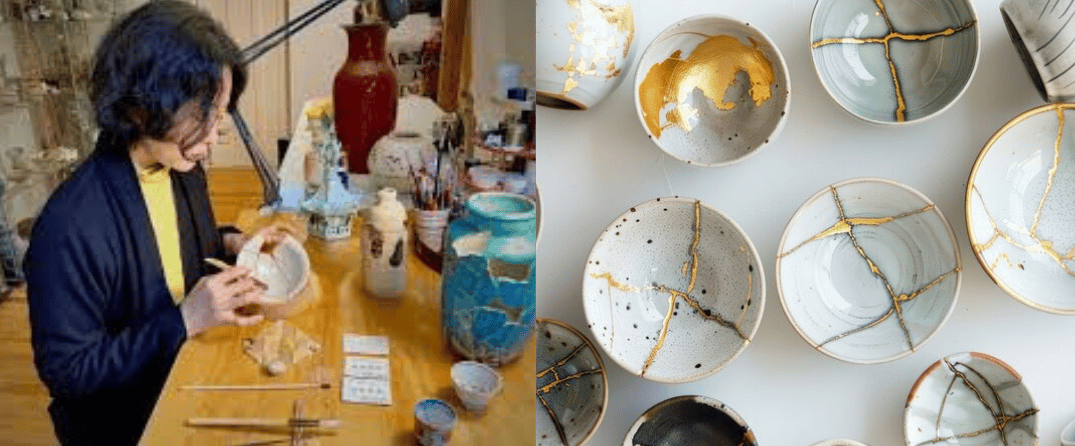
The morning begins in a sun-drenched studio space. Participants are provided with a ceramic piece—or are encouraged to bring a small, broken item of their own that holds personal meaning. Under the guidance of expert instructors, guests learn the delicate process of cleaning the shards, applying the adhesive, and finally, the "golden reveal."
Because traditional urushi lacquer can take weeks to cure and can cause skin irritation, this workshop utilizes Modern Kintsugi methods. This ensures that the experience is safe and accessible for older kids and teens, allowing them to complete their piece and take it home the same day. The atmosphere is intentionally kept quiet, encouraging a "flow state" where the only sounds are the soft scraping of tools and the focused breath of the creators.
Part II: The Royal Bento Experience
Once the gold has set on the ceramics, the group moves to the dining area for the centerpiece of the afternoon: the Bento lunch. This isn't just a meal; it is a curated experience designed to reflect the seasonal transition into late spring.
The Highlights of the Chef: The meal is helmed by a guest chef whose pedigree is rarely seen in the Bay Area. Having served as a chef for the Japanese Imperial Household, this master brings a level of precision and "quiet luxury" to the table that is truly extraordinary.
Known for his ability to source hyper-local California ingredients and prepare them using ancient Imperial techniques, the chef focuses on:
-
Seasonal Purity: Expect ingredients like takenoko (bamboo shoots) and mizuna, reflecting the peak of May's harvest.
-
Imperial Aesthetic: Every element in the box is placed with mathematical precision, designed to be photographed and admired before the first bite.
-
The Narrative: Between courses, the chef shares brief stories about the symbolism of the dishes, bridging the gap between the ceramics worked on earlier and the food on the plate.
Why This Event Matters
For families with older children, finding activities that aren't "childish" but still offer a sense of shared discovery can be difficult. This event succeeds because it treats its participants as capable artists and sophisticated diners.
It provides a rare opportunity to disconnect from the digital noise of the South Bay and reconnect with the hands and the senses. By the end of the day, you don't just leave with a repaired bowl and a full stomach; you leave with a new perspective on what it means to be "whole."
Event Summary
-
Date: May 31, 2026
-
Time: 10:00 AM – 1:30 PM
-
Location: Akari, San Francisco (Near the South Bay border)
-
Age Suggestion: 12+ (due to the fine motor skills and patience required)
-
Cost: Includes all Kintsugi materials, a finished ceramic piece, and the full Imperial Bento lunch.
Space is strictly limited to 15 participants to ensure an intimate, "wonder-filled" experience. Reservations are highly recommended.