Let’s Talk Windows: How to Spot Failing Windows (and What to Do About It)
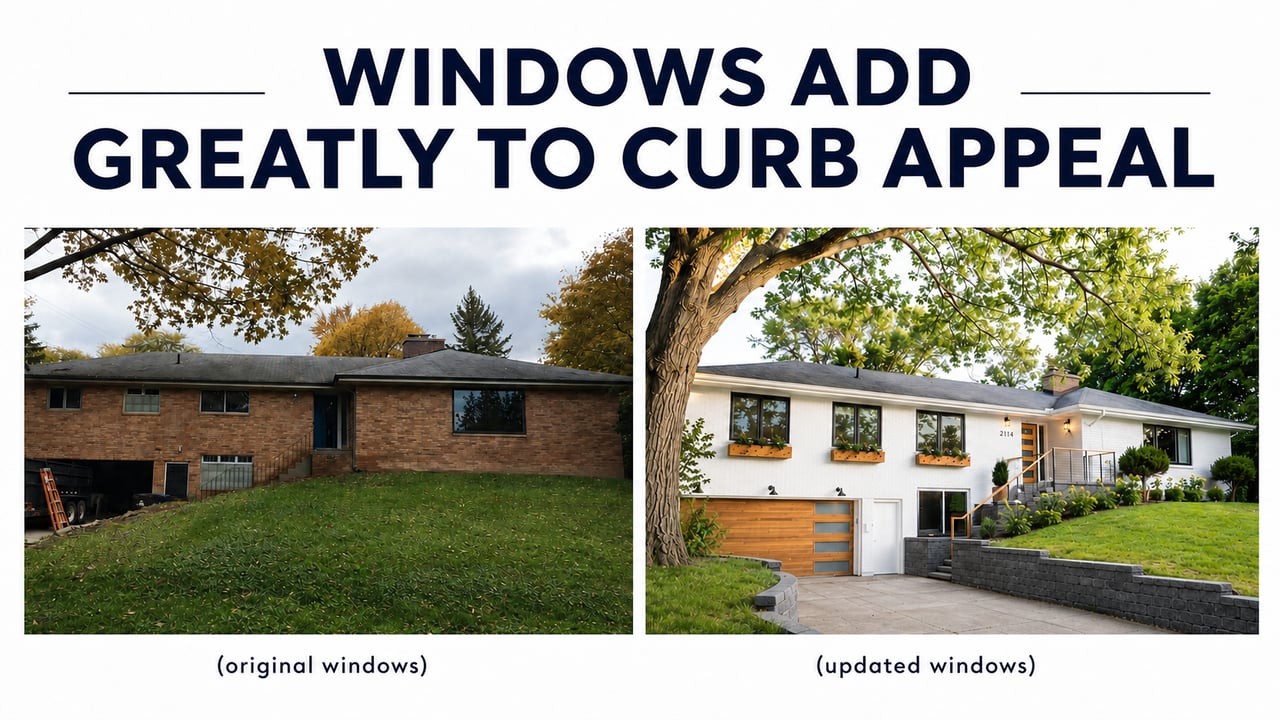
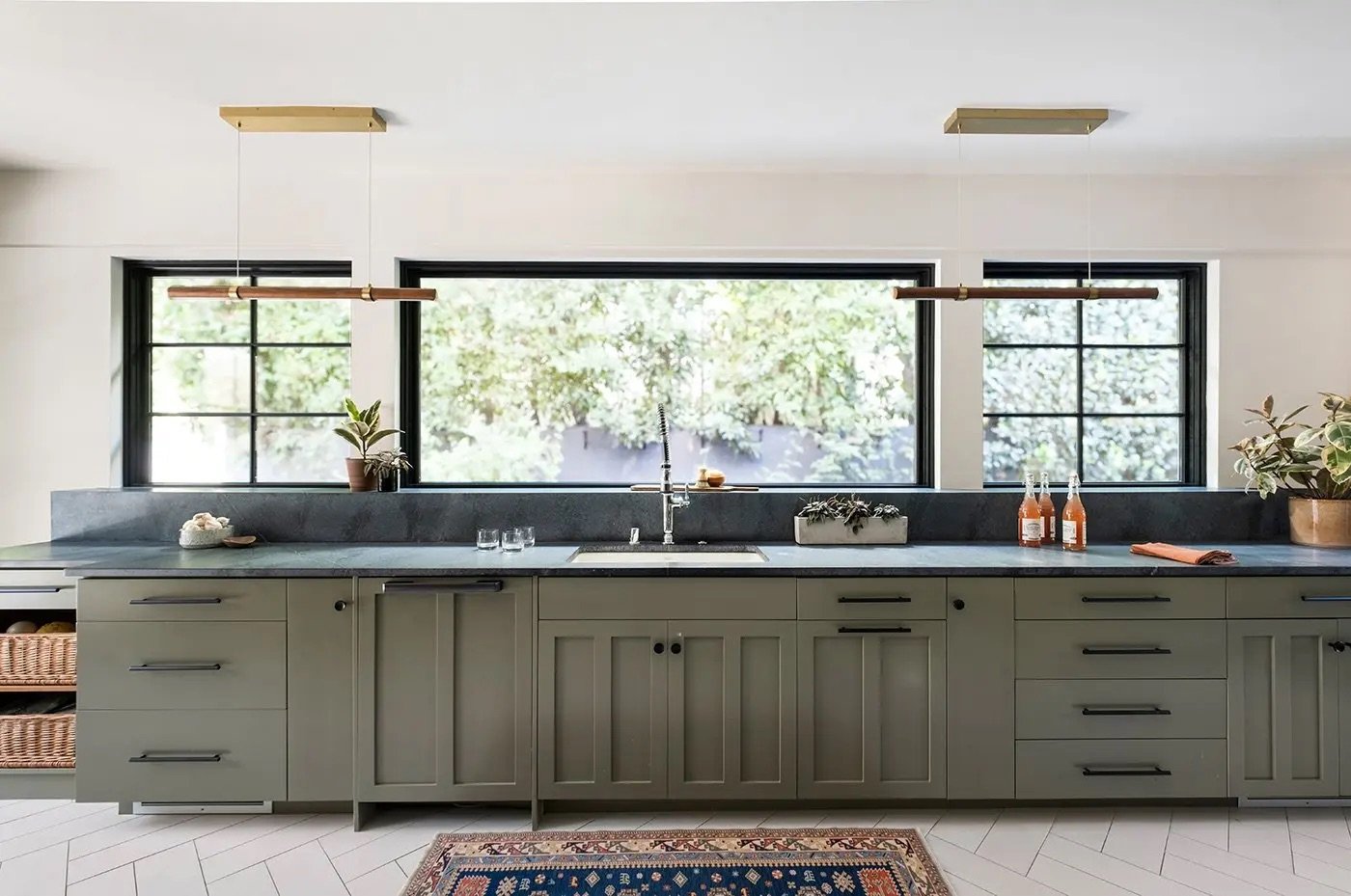
Windows are easily one of the biggest contributors to a home’s soul. They drive curb appeal from the street, flood your living spaces with light, and quietly govern how cozy (or drafty!) your home feels year-round.
Whether you’re getting your home market-ready, house-hunting for your next property, or simply looking to protect your investment, knowing when windows are past their prime—and how to fix them—is key.
Here is your straightforward guide to spotting "window fatigue" and choosing the right fix.
While standard windows typically have a lifespan of 15 to 30 years, that timeline varies wildly depending on your local environment—salty coastal air, harsh sun exposure, and heavy moisture can all age window materials long before their time. So, how can you tell where your windows are on that spectrum?
Six Tell-Tale Signs It’s Time to Upgrade
Windows don't last forever. Depending on climate, sunlight exposure, and initial installation quality, standard windows usually have a 15–30 year lifespan. Here is how to know if yours have reached the finish line:
1. The "Workout" Window (They Don't Open Easily)
If opening a window requires a weightlifting belt—or worse, a broom handle to prop it open—the window is failing. Beyond being an everyday annoyance, stubborn or stuck windows are a major safety hazard during an emergency or fire egress.
2. You Feel a Breeze... Inside
If you sit near a window in the winter and feel a chill, warm air is escaping right along with your energy dollars. High heating and cooling bills are often the first invisible sign that window seals or frames have deteriorated.
3. "Foggy" or Cloudy Glass
Do your windows look perpetually dirty or misted over, even after a thorough cleaning?
Real Estate Pro-Tip: Watch where the condensation lives!
Exterior fog: Totally normal! It actually means your energy-efficient window is keeping outside humidity at bay.
Interior fog: High humidity inside your home—try a dehumidifier or improved ventilation.
Fog trapped between the glass panes: This means the insulated seal has blown. Moist air is trapped inside, ruining the window’s insulating power.
4. You Hear Everything the Neighbors Do
Older, single-pane windows do very little to muffle noise. If traffic, lawnmowers, or neighborhood dogs sound like they are inside your living room, modern dual- or triple-pane glass will make a night-and-day difference in your daily peace and quiet.
5. They Look Outdated (and Hurt Resale Value)
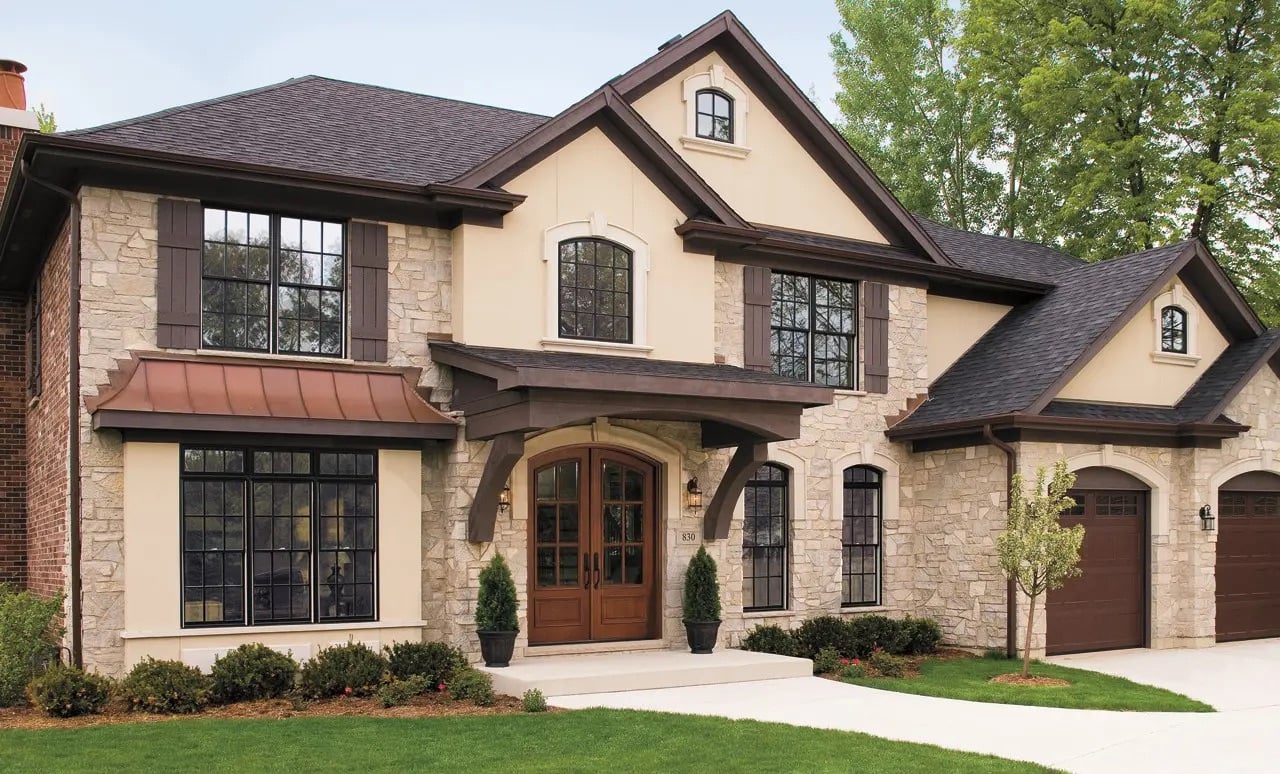
Curbside appeal isn't just about paint and landscaping—windows frame the whole house. If you're planning a remodel (like replacing siding or updating a kitchen), bundling window replacements into the project often saves money on labor while dramatically lifting your home's market valuation. Buyers love seeing modern, energy-efficient windows on a seller's disclosure!
6. You Still Have Single-Pane Glass
If your home relies on vintage single-pane glass—or relies on clunky exterior storm windows that have to be taken down and cleaned every season—you are missing out on major thermal insulation and modern low-maintenance materials.
What Are Your Replacement Options?
If it is time for new windows, here’s the good news: you don't always have to tear your walls open to get them. Depending on your budget and the state of your current window frames, installation usually falls into one of three approaches:
1. Pocket (or "Insert") Windows
Think of this as the "plug-and-play" option. If your existing wood frame is still completely solid, square, and rot-free, a crew can simply pop out the old glass and tracks, then slide a brand-new, custom-sized window right inside the original frame.
Why clients love it: It’s fast, budget-friendly, and doesn't disrupt your interior paint or exterior siding.
The trade-off: Because the new frame sits inside the old frame, you lose as much as an inch on each of the four sides of the window decreasing the light and creating a “oversized frame” look to the window. Additionally, you may be covering up interior rot and not addressing the draft issues.
2. Full-Frame (or "New Construction") Windows
This is the complete start-from-scratch option. Installers strip everything away right down to the original wooden studs in your wall, allowing them to rebuild the entire window opening with fresh materials.
Why clients love it: It’s the ultimate clean slate. If you have hidden rot, water damage, or drafty gaps around the frame, this fixes it completely. Plus, it gives you maximum glass area and lets you change the shape or size of the window entirely.
The trade-off: It’s the most expensive route and requires touch-up work on your surrounding interior trim and exterior siding.
3. Sash-Only Replacements
If you have a historic or older home with beautiful double-hung windows—and the outer frame is in pristine shape—you might only need to swap the moving parts. You keep the original frame intact and simply install modern glass panels (the sashes) and hardware into the existing tracks.
Why clients love it: It’s the least invasive and most economical way to get modern double-pane insulation while preserving your home's original architectural molding. Choose Sash-Only if you have historic or matching wood windows with perfect structural wooden jambs, and you refuse to sacrifice an inch of your visible glass area.
The trade-off: It can be tricky to find exact sash matches for older, custom, or non-standard window sizes. This approach, like the “Pocket or Insert Windows” will not address structural rot.
Match Style to Your Architecture
Traditional or Colonial:
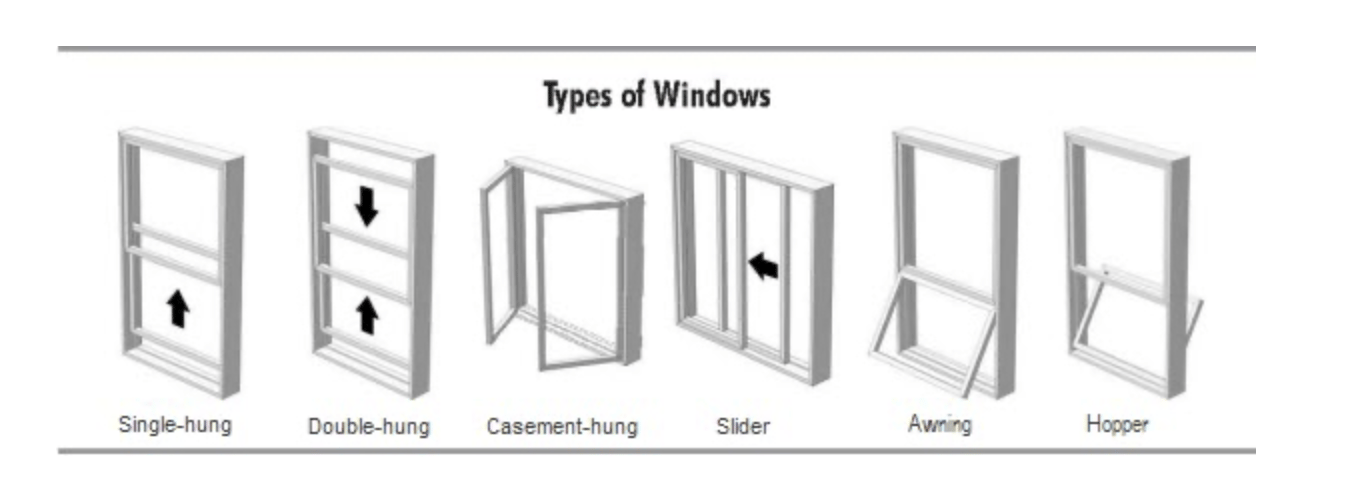
Double-hung windows offer a classic, timeless look that honors original craftsmanship.
Modern or Contemporary:
Casement or large picture windows provide crisp, clean lines and maximize outdoor views.
Ranch or Mid-Century:
Sliding windows emphasize horizontal geometry while keeping operations effortless.
Consider Room Functionality
Kitchens:
Awning or casement windows above the sink are a game-changer—an easy-turn crank is much easier to operate over a counter than lifting a double-hung window.
Bedrooms:
Prioritize windows that open smoothly and meet local safety egress code requirements for fire safety.
Bathrooms:
High-set awning or frosted privacy windows allow humid air to escape while keeping spaces completely private.
Thinking About Buying, Selling, or Remodeling?
Windows are one of the most scrutinized items during a home inspection—and one of the top upgrades buyers ask for in negotiations.
If you are wondering whether replacing your windows will give you a solid return on investment before selling, or if you need recommendations for trusted local contractors, reach out anytime! I’m always here to help you make smart moves with your home.