
Is Your Home Ready for Winter? A Bay Area Homeowner’s Checklist
A little preparation now can prevent expensive surprises later.
Living in the San Francisco Bay Area, we’re fortunate to enjoy relatively mild winters. But mild doesn’t necessarily mean trouble-free. Our rainy season can bring heavy downpours, strong winds, chilly nights, and occasionally extended power outages.
And while we may not have to worry about shoveling snow, water intrusion, neglected heating systems, and moisture-related damage can become expensive problems for homeowners.
Whether you live in a condominium, townhouse, or single-family home, October is an ideal time to give your property a little attention before winter arrives.
First, the Essentials for Every Homeowner
These are maintenance items worth addressing regardless of the type of home you own.

1. Give Your Heating System Some Attention
After sitting largely unused during our warmer months, your furnace or heating system deserves a little attention before you need it.
Replace or clean the air filters, test your thermostat, and consider scheduling a professional inspection if your system hasn’t been serviced recently.
If you have a heat pump, remember that it may provide both heating and cooling, so keeping it properly maintained is a year-round priority.
A well-maintained system operates more efficiently, helps control utility costs, and is less likely to fail on a cold winter evening.
2. Check Windows and Doors for Drafts and Leaks
Even relatively new homes can develop small gaps around windows and exterior doors.
Check weatherstripping, inspect caulking, and look for signs of moisture intrusion, particularly around window frames and sliding glass doors.
A simple way to identify drafts is to run your hand along the edges of closed windows and doors on a breezy day.
Replacing worn weatherstripping is inexpensive and can make a surprising difference in comfort.
For condominium owners, check with your HOA before replacing windows or making exterior modifications, as these components may fall under association responsibility.
3. Inspect Under Sinks and Around Appliances
Small plumbing leaks often go unnoticed until they’ve caused significant damage.
Take a few minutes to look beneath kitchen and bathroom sinks, behind toilets, and around washing machines and dishwashers.
Look for dampness, discoloration, swollen cabinetry, or musty odors.
If your washing machine has rubber supply hoses, consider replacing them with braided stainless-steel hoses. Even better, make sure everyone in your household knows where the water shutoff valves are located.
For condo and townhouse owners, this is particularly important because a leak in one unit can affect neighboring homes.
4. Test Smoke and Carbon Monoxide Detectors
Winter often means increased use of heating equipment, fireplaces, and gas appliances.
Test your smoke and carbon monoxide alarms, replace batteries where applicable, and check the manufacturer’s recommended replacement dates.
If you have a fireplace or gas heater, be sure it’s operating safely before the season begins.
And while you’re thinking about safety, locate your fire extinguisher and check that it’s accessible and in working condition.
5. Prepare for Power Outages
Winter storms occasionally bring down trees and power lines, leaving neighborhoods without electricity.
Keep flashlights, fresh batteries, portable phone chargers, and basic emergency supplies readily available.
If you rely on electrically powered medical equipment or other essential devices, make sure you have an appropriate backup plan.
It’s also a good time to review your emergency contact information and make sure your household knows what to do during an extended outage.
6. Don’t Overlook Moisture and Ventilation
During colder months, condensation can accumulate around windows, bathrooms, and poorly ventilated spaces.
Use bathroom exhaust fans during and after showers, keep kitchen ventilation working properly, and watch for recurring condensation or musty smells.
Persistent moisture can encourage mold growth and damage finishes, flooring, and cabinetry.
If you discover ongoing dampness, investigate the source rather than simply painting over the problem.
Additional Winter Preparation for Single-Family Homeowners
If you own a detached home—or a townhouse where you’re responsible for exterior maintenance—there are several additional items that deserve attention.
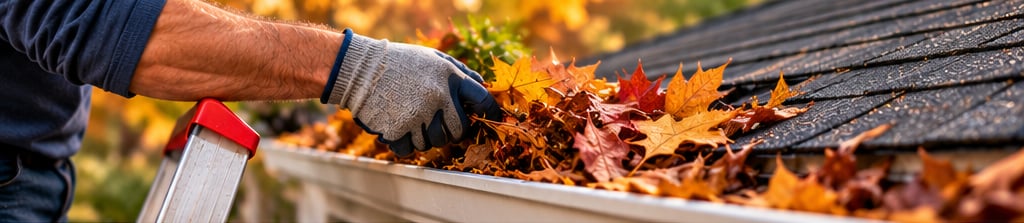
7. Clean Gutters and Downspouts
This is one of the most important fall maintenance tasks in the Bay Area.
Leaves, pine needles, and debris can clog gutters, causing rainwater to overflow against siding, windows, and foundations.
Have gutters cleaned before the rainy season and again later if your property is surrounded by trees.
Make sure downspouts direct water away from the foundation and that drainage outlets remain clear.
8. Inspect Your Roof
A small roof problem can become a very expensive repair during prolonged winter rains.
Look for missing or damaged shingles or tiles, loose flashing, and debris collecting in roof valleys.
Pay particular attention to areas around chimneys, skylights, and roof penetrations.
Most importantly, don’t climb onto a steep or slippery roof yourself. A professional inspection is a much safer option.
9. Check Drainage Around Your Home
Water should always flow away from your house, not toward it.
Walk around your property and check that soil, landscaping, patios, and walkways aren’t directing rainwater toward the foundation.
Clear surface drains, driveway drains, and drainage channels of leaves and debris.
If you’ve experienced standing water during previous winters, address the issue before the next heavy storm.
For hillside properties, proper drainage is especially important. Watch for unusual soil movement, new cracks, or persistent saturation, and consult a qualified professional if you notice concerning changes.
10. Trim Trees and Prepare the Landscape
Strong winter winds can turn weak or overhanging branches into a serious hazard.
Inspect trees near your home, driveway, fences, and utility lines. Have dead or hazardous limbs evaluated and removed by a qualified tree professional.
Never attempt to trim branches near electrical lines yourself.
Secure lightweight outdoor furniture, umbrellas, and decorative items that could become airborne during a storm.
And if you have an irrigation system, adjust the watering schedule as seasonal rainfall increases.
11. Protect Exterior Wood and Painted Surfaces
Take a walk around your home and inspect exterior trim, siding, decks, and fences.
Look for peeling paint, cracked caulking, deteriorating wood, and gaps where moisture could enter.
Small repairs made before the rainy season can prevent water from penetrating and causing more extensive damage.
Pay particular attention to wood around windows, doors, and areas close to the ground.
12. Check Your Crawl Space and Foundation
If your home has a crawl space, make sure vents and access openings are properly secured and that there are no signs of standing water or plumbing leaks.
Look for unusual moisture, musty odors, or evidence of pests.
You don’t necessarily need to crawl underneath the house yourself. A qualified inspector or contractor can evaluate areas that are difficult to access.
A Special Note for Condo and Townhouse Owners
Even if your HOA is responsible for the roof, gutters, exterior painting, or common-area drainage, don’t assume everything is being addressed.
Review your association’s maintenance responsibilities and ask whether seasonal inspections and gutter cleaning have been scheduled.
If you notice water stains, drainage problems, or deteriorating exterior surfaces, report them promptly and keep a written record.
Remember, HOA maintenance responsibilities vary. Your governing documents determine which items belong to the association and which are the individual homeowner’s responsibility.
A Little Prevention Goes a Long Way
One of the most valuable habits a homeowner can develop is taking a proactive approach to maintenance.
A clogged gutter, deteriorating window seal, or small plumbing leak may seem insignificant today, but neglected problems have a way of becoming costly repairs.
You don’t need to tackle everything in a single weekend. Start with the items that protect your home from water damage and safety hazards, then work your way through the rest.
A few hours of attention this fall can help protect your home, your comfort, and your investment throughout the winter months.