A Hidden Garden Getaway: Allied Arts Guild in Menlo Park
If you’re looking for a weekend outing that feels like you’ve traveled much farther than the Peninsula, put Allied Arts Guild in Menlo Park on your list.
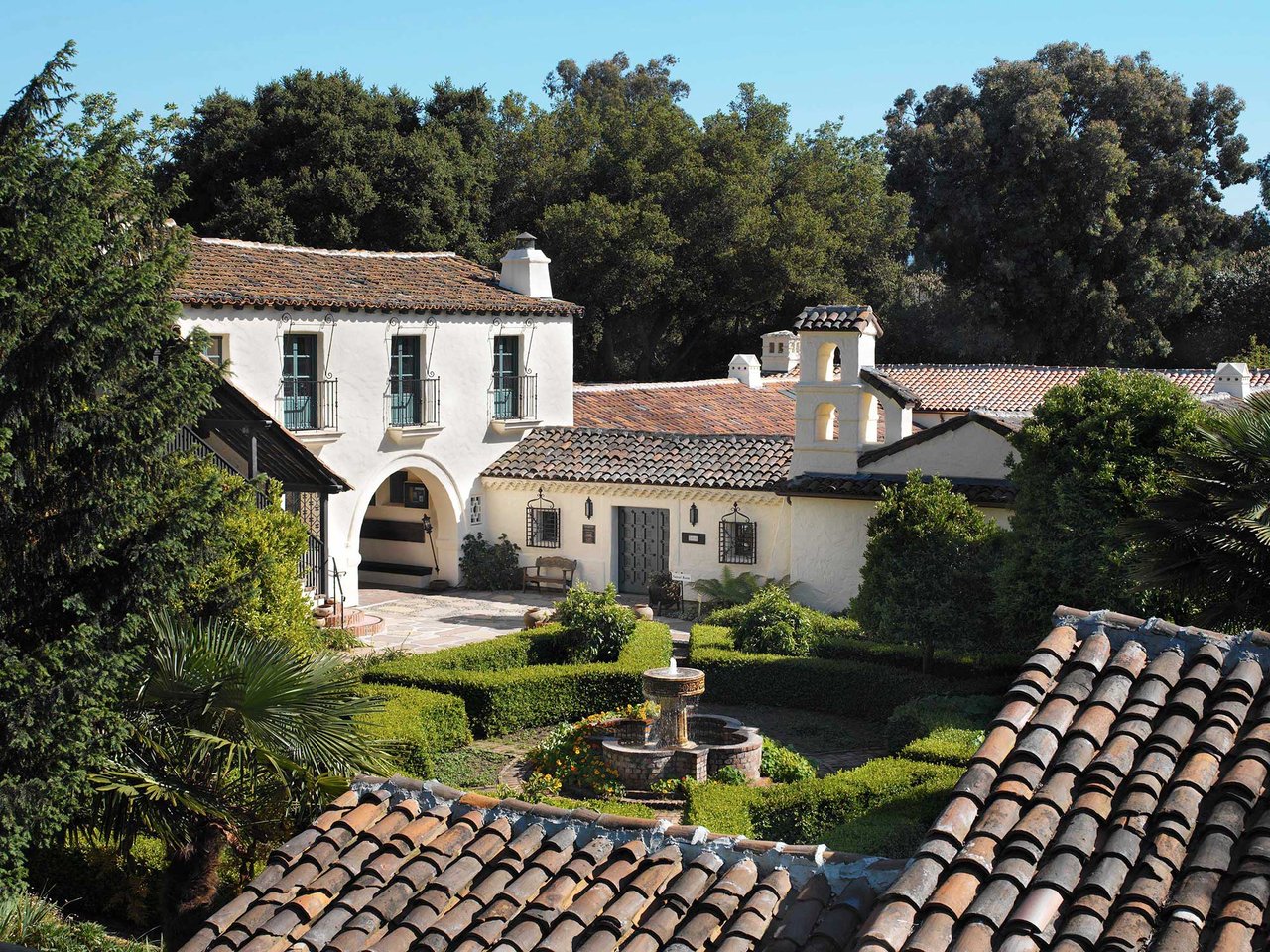
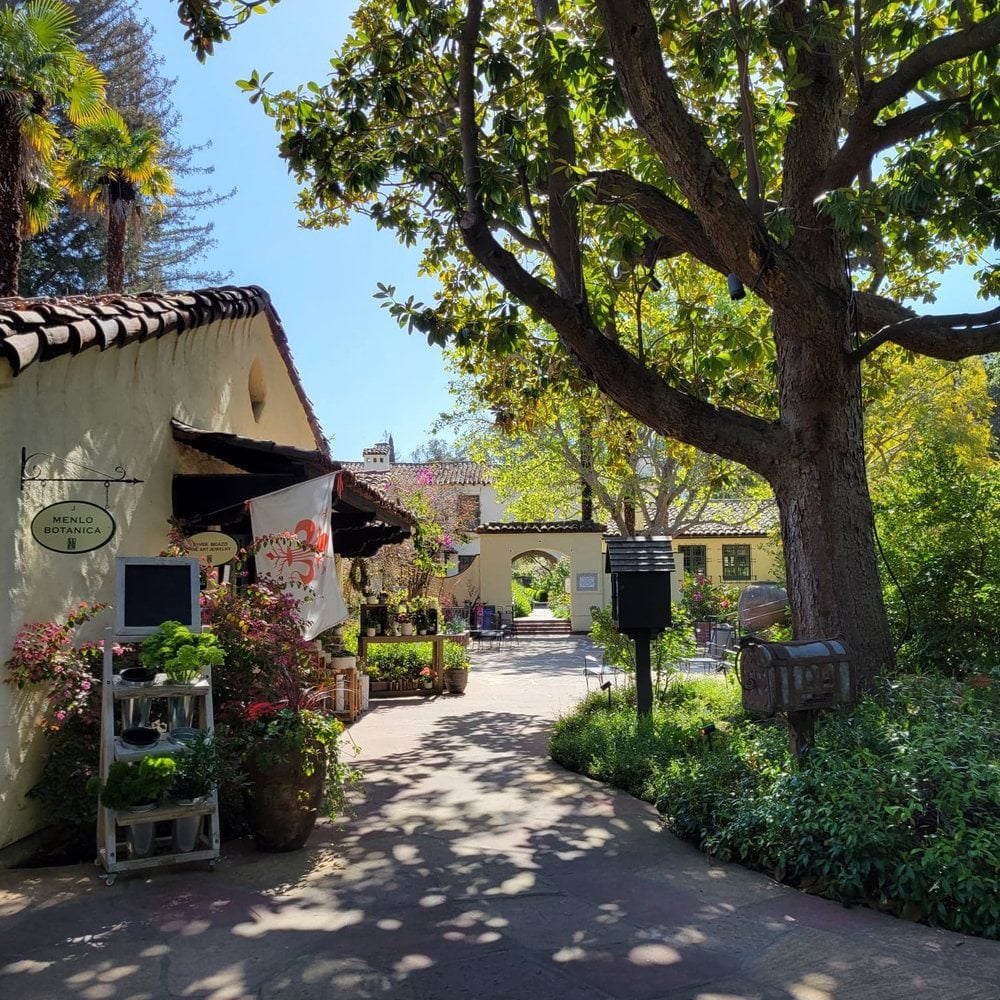
Tucked behind its gates is a charming little world of Spanish-style buildings, colorful gardens, fountains, artisan studios and shops. It’s the kind of place where you can have a leisurely lunch, browse for something beautiful, wander through the gardens—and for a couple of hours, forget you’re in the middle of Silicon Valley.
And there is a wonderful history behind it.
Long before there was an Allied Arts Guild—or even a Menlo Park as we know it today—the land was part of Rancho de las Pulgas, a vast Spanish land grant of roughly 35,250 acres dating to the late 1700s. The property was ceded by the King of Spain to Don José Argüello, commander of the Presidio of San Francisco. And the name of this enormous ranch? Rancho de las Pulgas, literally “Ranch of the Fleas.” The wonderfully odd name is traditionally traced to the 1769 Portola expedition, when soldiers reportedly encountered so many fleas at their campsite that they fled, crying out about the pests.
Fast-forward more than 150 years. In 1928, Delight and Garfield Merner purchased three and a half acres of the former rancho. The wealthy couple were passionate travelers and lovers of art, and they envisioned something quite unusual: a peaceful place where artists could work and create beautiful, handcrafted objects.
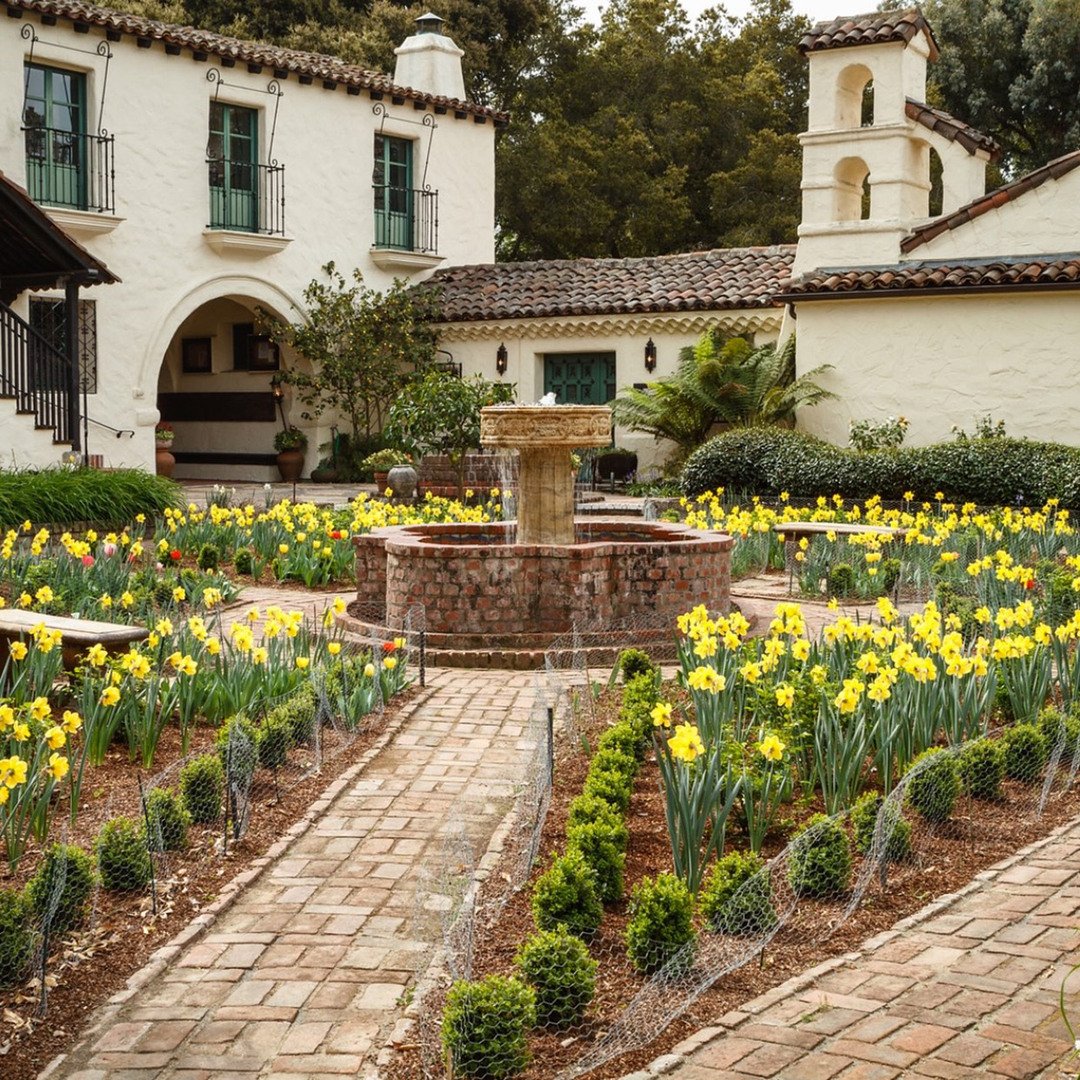
With the help of artist and educator Pedro de Lemos and architect Gardner Dailey, their dream took shape between 1929 and 1932. The result was a collection of Spanish Colonial-style buildings surrounded by gardens inspired by places Delight had visited in Spain.
And this is where Allied Arts becomes especially fun to visit.
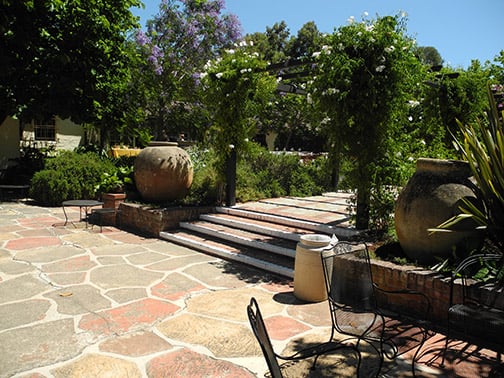
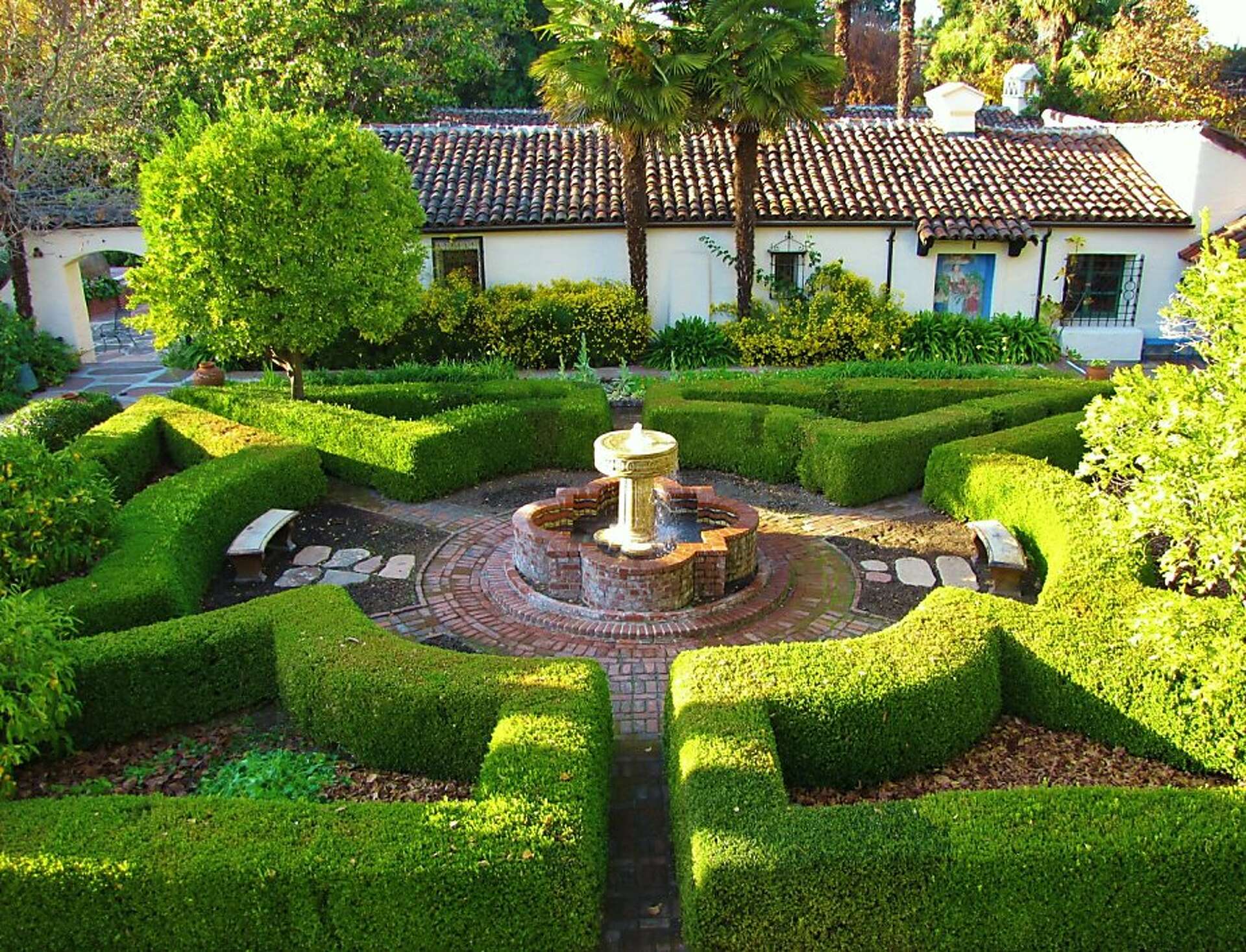
Start by simply wandering. There are courtyards and little pathways everywhere, along with fountains, flowers, citrus trees, tilework, murals and colorful architectural details. The Garden of Delight—also known as the Blue Garden—is particularly enchanting, with its blue-tiled fountain and lush landscaping.
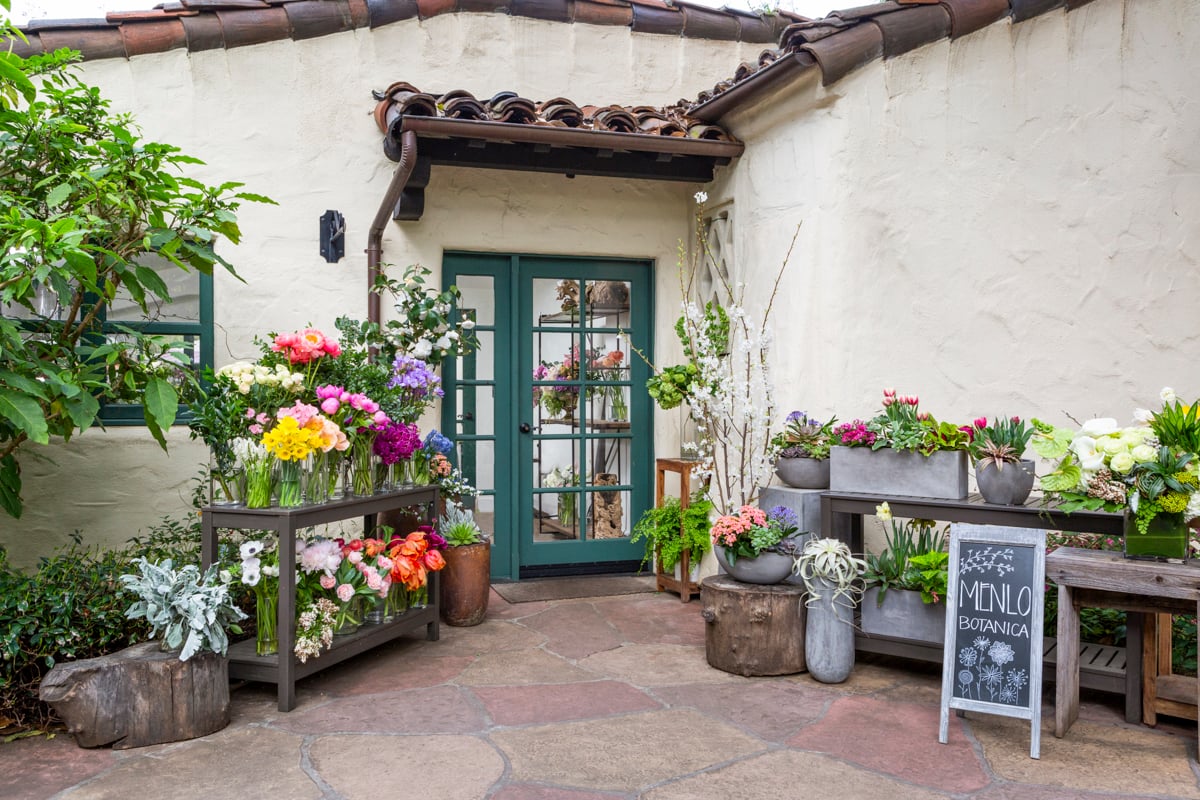
Then go shopping.
The Artisan Shop is one of the Guild’s real treasures. It is operated by volunteers, and you’ll find an ever-changing collection of handmade art, jewelry, ceramics, textiles, decorative pieces and vintage treasures. This isn’t the kind of gift shop where you find the same things you see everywhere else. The emphasis is on beautiful, distinctive objects, and part of the fun is never knowing exactly what you’ll discover.
The Guild is also still home to working artists, so you may see artists at work in their studios as you stroll through the property. That connection to craftsmanship is part of what makes the place feel authentic rather than simply a historic reproduction.
And then—have lunch.
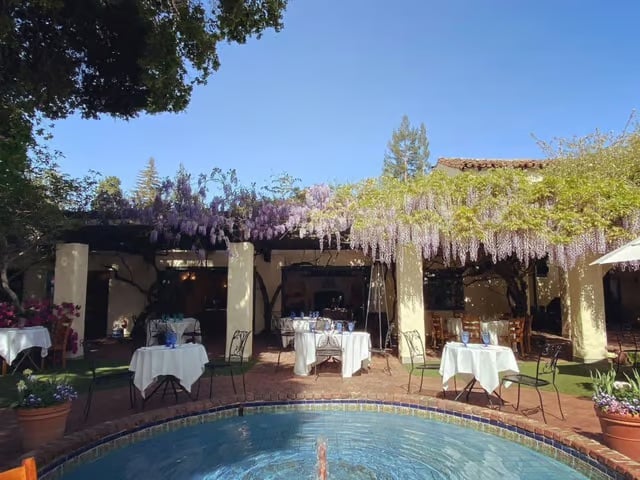
Café Wisteria is located right in the heart of the Guild, making it wonderfully easy to turn your visit into a leisurely afternoon. The restaurant has outdoor seating in the gardens, including tables around the fountain and pool. With flowers and greenery surrounding you and the sound of water nearby, it is a remarkably peaceful place for lunch.
This is not a “race through the attractions and leave” kind of excursion. Give yourself time. Have lunch. Walk the gardens. Browse the Artisan Shop. Look at the architecture and the handmade tilework. Sit by the fountain for a while.
There’s also a fascinating philanthropic story behind the beauty. The Merners began using the Guild to raise money for children needing medical care in the early 1930s. Today, the Allied Arts Auxiliary continues that tradition, with proceeds from the Artisan Shop benefiting Lucile Packard Children’s Hospital Stanford.
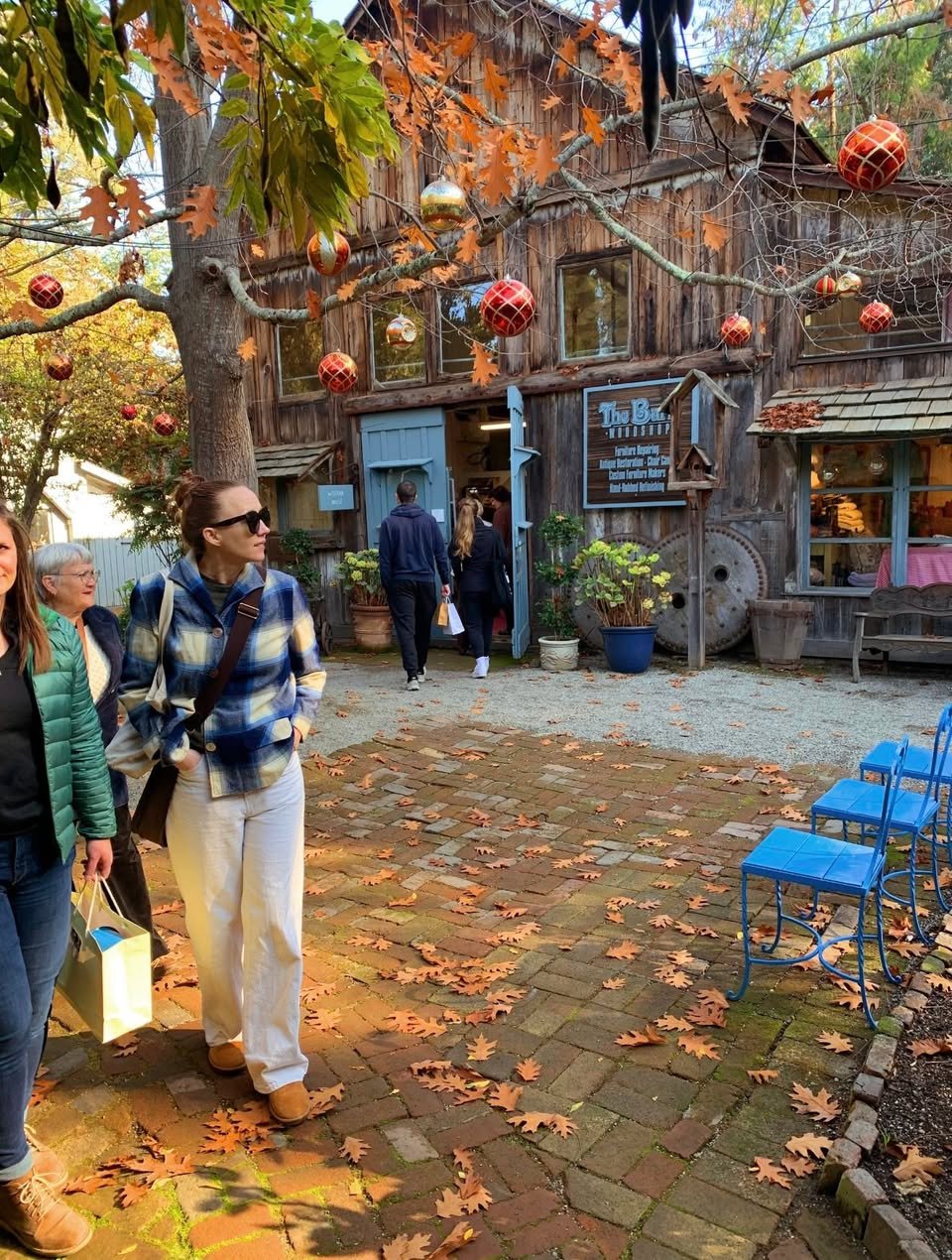
So if you’re searching for something different to do on a weekend—especially if you have out-of-town guests—Allied Arts Guild is a wonderful little escape. You get history, gardens, art, shopping and lunch all in one place.
And perhaps the best part is that you don’t have to travel to Spain to find it. You just have to know where to look.